Respiration og Postural kontrol (4-dags kurset)

14-17. juni 2027

Breathing & Postural Control – A Pediatric and Adult Course (LINKED Course – Theory and hands-on labs, Part 1+2)

Pris: 

Prisinterval: 6.000,00 kr. til 7.500,00 kr.

pr. deltager

Sidste tilmeldingsfrist: 

10. maj 2027

Der er bindende tilmelding.
Dvs. at man ved afbud kan overdrage pladsen til en kollega (informere DSNF herom via mail) – men såfremt der ikke er venteliste til kurset faktureres man det fulde beløb når man er tilmeldt.

Kursusbeskrivelse:

På 4-dagskurset får du hver kursusdag større viden om ”Postural Control and Breathing”. Du får en grundig viden om Mary Massery´s ”Soda Pop Can” model – Multisystem analysen. Dag 1 er primært introduktion og teori om emnet. Hér deltager 4-dags kursister og 1-dags kursister side om side. Den tværfaglige sammensætning af kursister gør at spørgsmål og diskussioner på den 1.dag bliver beriget med input fra flere praksisnære faggrupper, som kommer den individuelle og den fælles faglige læring og udvikling til gode.

Dag 2 – 4 er mere praksis relateret. Hér lærer du endnu mere om den evidensbaserede teoretiske baggrund for analyse af de forskellige respirationsmønstre og får viden om, hvordan vejrtrækning påvirker truncusstabiliteten. Analyse af patienten, hvor f.eks. de fysiske begrænsninger kan skyldes respiratoriske udfordringer snarere end rent muskelstyrke/ muskel-udholdenhedsproblematikker.  

På kurset lærer du, hvordan man som fysio-eller ergoterapeut kan optimere de praksisnære interventioner ift. hver enkelt neurologisk patient. Kurset kan anvendes til flere forskellige patientgrupper – neurologiske (stroke, rygmarvsskadede, Parkinson, Sclerose, Guillian Barré, hjernetumorer etc.), hjerte/lungepatienter, pædiatriske, voksne udviklingshæmmede, cerebral parese etc.  

Den viden og læring du får på kurset, kan bruges i behandling af både voksne og børn.

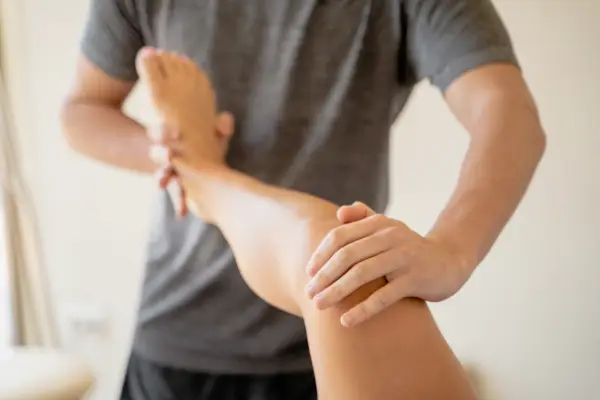
Kurset er opbygget med en vekslen mellem teori, praksis afprøvning, samt patientdemonstrationer. 

Al undervisning på kurset er relateret til evidensbaserede artikler og fagbøger baseret på forskning. I kursusmaterialet medfølger en lang række relevante videnskabelige referencer.

Engelsk kursusbeskrivelse:

This course, developed by Mary Massery, proposes a new definition of “core stability;” redefining it as the dynamic control of trunk pressures to optimize postural stability (balance).  Dr. Massery’s “soda pop can model” links breathing mechanics to postural control using multi-system interactions.  The speaker presents novel research demonstrating the role of vocal folds as postural stabilizers, extending the concept of “core stability” from the vocal folds on the top of the trunk to the pelvic floor on the bottom.  The course starts with this theoretical information and quick interventions (positioning and ventilatory strategies), and then shifts to detailed hands-on techniques as the course progresses: assessing “normal” breathing patterns, learning neuromotor breathing retraining techniques, practicing numerous manual assistive cough techniques, and introduces musculoskeletal techniques for the rib cage.  Multiple clinical cases and two live patient demonstrations (if available) will be used to strengthen the concepts.  The course is applicable for any pediatric or adult patient (or therapist) who breathes and balances!

Læringsmål for kursisterne:

At the conclusion of the course, participants should be able to:
  1. Describe how trunk pressures link breathing and postural control using the Soda Pop Can Model.
  2. Describe the multiple, simultaneous roles of the diaphragm as related to breathing, postural control, gastroesophageal reflux, constipation, and venous return.
  3. Demonstrate the role of the vocal folds in normal postural stability responses (balance) and make the case for using speaking valves for patients with tracheostomies.
  4. Position patients for optimal physiological and biomechanical support of breathing with simple equipment (towels, pillows, etc.).
  5. Use a ventilatory strategy algorithm presented in class to optimally match breathing with movements from bed mobility to athletic endeavors.
  6. Apply concepts to a wide variety of patient populations from infancy to geriatrics.
  7. Use a multi-system approach to evaluating motor impairments.
  8. Identify the variations of “normal” breathing patterns and discuss the efficiencies/inefficiencies for individual patient conditions.
  9. Evaluate need for, and demonstrate, appropriate neuromotor retraining techniques for patients with ineffective breathing/postural control strategies (health or participation deficits).
  10. Participate in a live patient demonstration (if a patient is available) and suggest possible evaluation and treatment ideas based on the course material.
  11. Design a targeted airway clearance program using the principles of mobilization, expectoration and oral management.
  12. Demonstrate airway clearance techniques, with an emphasis on manual assistive cough techniques, and apply an airway clearance algorithm to specific patient conditions.
  13. Identify thoracic cage/spine restrictions as they pertain to breathing mechanics and postural control (a very brief introduction of chest wall restrictions).
  14. Evaluate the need for, and demonstrate, neuromotor retraining techniques to improve breath support for voicing and postural control (eccentrics).
  15. Suggest immediate ways to incorporate the concepts into therapy activities in your clinical setting.

Vincent Leddy

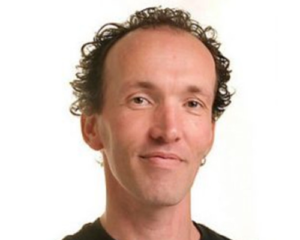
Dr. Leddy completed his BS in PT in the Netherlands in 1988, his DPT at Rocky Mountain University in 2017, and his certification as a MasseryPT faculty in 2019. Vincent is an APTA pediatric clinical specialist from San Francisco with expertise in diverse conditions such as complex neuro, adult orthopedic, elite level ballerinas, and breathing disorders. Dr. Leddy is a life-long learner who loves teaching other therapists, sharing his curiosity and holistic approach to motor problems. His client and family centered goals work towards meaningful participation using hands on therapy and family education. His goal is to move his clients from just “surviving” to “thriving” in a complex world. His proudest Mary Massery moment was working with a nonverbal toddler allowing her to stand up and walk for the first time after focusing on her voice and core pressures.
Vincent Leddy

Mary Massery (Online)

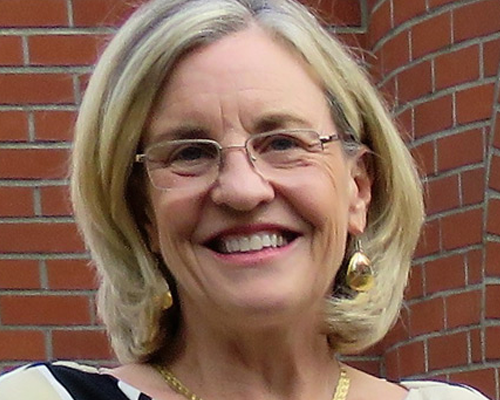
Dr. Massery received her BS in Physical Therapy from Northwestern University in 1977, her DPT from the University of the Pacific in 2004 and her DSc from Rocky Mountain University in 2011. Her publications and interests focus on linking motor behaviors to breathing and/or postural mechanics in both pediatric and adult patient populations. Dr. Massery has been invited to give over 1,000 professional presentations in all 50 US states and in 18 countries worldwide, including more than 100 presentations for the American Physical Therapy Association. Mary’s research pioneered the concept of managing trunk pressures as a new way to visualize core stabilization. She has delivered keynote and major addresses on topics such as cystic fibrosis and posture, pectus excavatum (chest deformities), connections between posture & breathing, and PNF (proprioceptive neuromuscular facilitation). Mary has received national awards from the APTA, including its highest clinical award, The Florence Kendall Practice Award, honoring “one’s outstanding and enduring contributions to the practice of physical therapy.” She has been honored as Outstanding Alumnus of the Year by each of her 3 universities. She was also awarded Northwestern University’s Alumnae Research Achievement Award. Mary continues to maintain a private practice in Chicago, specializing in breathing and postural dysfunction.
Marry Massery

Download programmet i .pdf format

Kursus detaljer

Dato:
14-17. juni 2027
Sted:
Regionshospitalet Hammel Neurocenter
Undervisere:
Vincent Leddy
Mary Massery (Online)
Undervisningssprog:
Engelsk
Ledige Pladser:

39 ledige pladser

Tilmeldingsfrist:
10. maj 2027